Being Everyone's Favorite Creator Is Quietly Killing Your Best Work

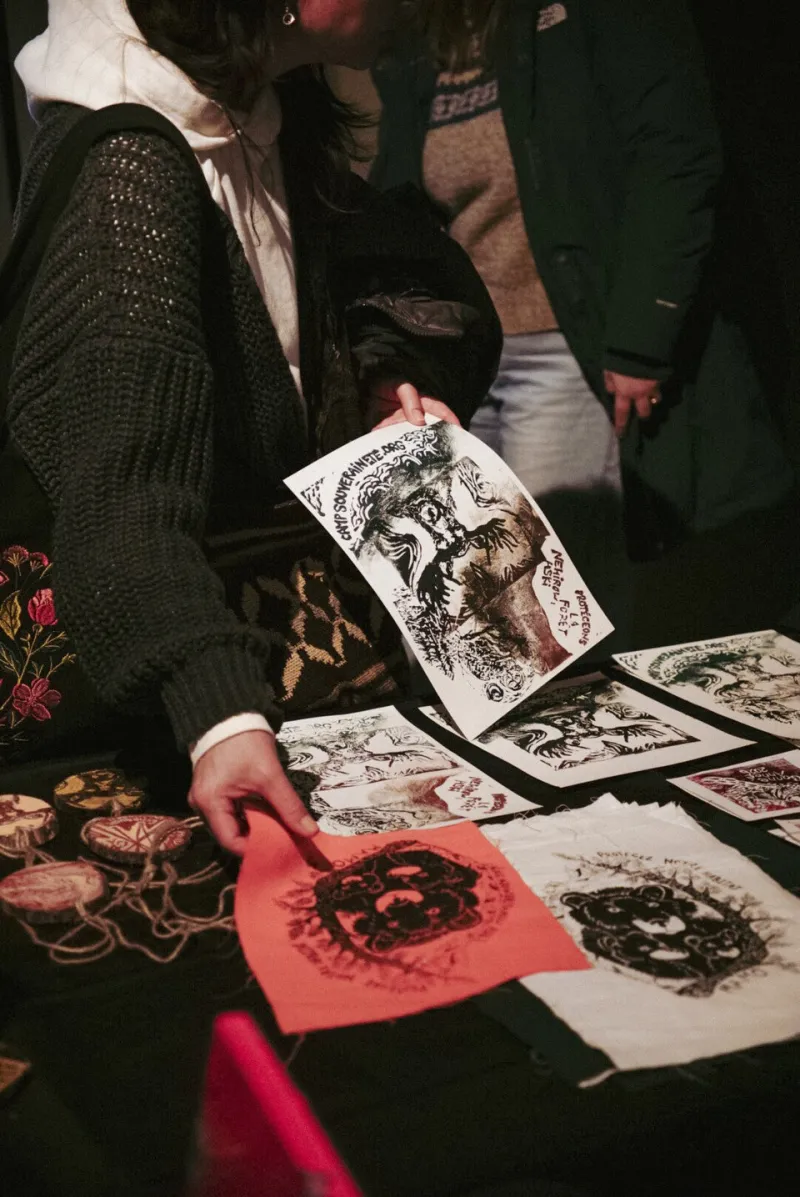
Photo: micadew from US, CC BY-SA 2.0, via Wikimedia Commons
Somewhere along the way, a lot of creatives picked up a belief that goes something like this: if people like me, they'll support my work. It sounds reasonable. It even works — for a while. You stay upbeat in your captions, you respond to every DM with warmth, you soften your opinions so nobody feels pushed away. People call you "so genuine" and "such a breath of fresh air."
And then one day you sit down to make something that actually matters to you, and you realize you've been auditioning for the role of Likeable Creator so long that you've forgotten what your real creative instincts even sound like.
This isn't a lecture about being mean. It's about what happens when likability becomes a creative strategy — and why that strategy has a ceiling.
The Slow Drift Nobody Warns You About
Being pleasant isn't the problem. The problem is when pleasantness becomes a filter that every creative decision has to pass through before it goes public.
It starts small. You have a sharp take on something in your industry, but you round off the corners because you don't want to seem combative. You're offered a collaboration that doesn't actually excite you, but you say yes because declining feels rude. You get feedback from an audience member that misses the point of your work entirely, and instead of holding your ground, you quietly reshape the next piece to accommodate their reading of it.
None of those individual moments feels like a big deal. But stack enough of them on top of each other, and you've built a creative practice that's been quietly optimized for other people's comfort instead of your own vision.
That's the drift. It's gradual, it's well-intentioned, and it's genuinely hard to notice until you're already pretty far downstream.
Why Creatives Are Especially Vulnerable to This
Most creative work involves some level of exposure. You're putting ideas, aesthetics, and pieces of your perspective out into the world and asking people to engage with them. That's inherently vulnerable, and vulnerability makes people want to manage risk.
One of the most common ways to manage that risk? Make yourself impossible to dislike. If everyone finds you warm and easy and accommodating, the rejection of your work can't be personal — right?
Except it kind of can still be personal. And now you've also given away a lot of creative ground in the process.
There's also a practical financial layer here. Creatives who are overly eager to please tend to accept lower rates, skip contract conversations because they feel awkward, and take on scope creep without pushback because they don't want the client to think they're difficult. The "nice creator" positioning costs real money, not just creative energy.
The Difference Between Likable and Palatable
Here's a distinction worth sitting with: likable and palatable are not the same thing.
Likable means people genuinely connect with who you are and what you make. It's magnetic. It builds real loyalty. Likable creators can tell you exactly what they stand for, and sometimes that means telling you what they won't do.
Palatable means you've made yourself easy to swallow. You've removed anything that might create friction. Nobody dislikes you — but nobody's particularly drawn to you either. Palatable is a fine strategy if you're making elevator music. It's a slow death if you're trying to build a creative career with any real longevity.
The creatives who build lasting audiences — the ones people genuinely follow for years — almost always have an edge to them. Not an aggressive edge, necessarily. But a point of view. A thing they care about enough to risk being wrong about in public. A creative line they won't cross even when it would be easier to cross it.
That's what makes someone worth paying attention to.
What It Actually Looks Like to Reclaim Your Voice
This isn't about manufacturing controversy or performing edginess. That's just a different kind of performance, and audiences can smell it from a mile away.
It's more about practicing small acts of creative honesty that you've been avoiding.
Say no to the things that aren't a fit. Not every collaboration, opportunity, or project deserves a yes just because someone asked nicely. A polite, direct no is a complete sentence — and it protects the time and energy you need for the work that actually aligns with where you're trying to go.
Stop softening your actual opinions. If you have a real perspective on your craft, your industry, or your creative choices, say it clearly. You don't need to be inflammatory. But you also don't need to pre-apologize for having a take.
Let some feedback bounce off. Not all of it — good feedback is genuinely useful. But if you've been reflexively incorporating every audience note because you want people to feel heard, you're not editing your work anymore. You're crowd-sourcing it.
Notice where you're performing warmth vs. actually feeling it. There's a version of responsiveness and engagement that comes from genuine connection with your audience. And there's a version that comes from anxiety about being perceived as cold or difficult. Learning to tell the difference is worth the effort.
You Can Be Warm and Have a Backbone
One of the most freeing realizations you can have as a creative is that warmth and boundaries are not in conflict. You can be genuinely kind, generous with your time, and deeply appreciative of your audience — and still have creative non-negotiables. Still charge what your work is worth. Still make the piece that not everyone is going to love.
In fact, having that kind of grounded confidence tends to make people trust you more. There's something reassuring about a creator who knows what they're about. It signals that when they do say yes, they mean it. When they share something, it's because they actually believe in it — not because they're trying to keep everyone happy.
The goal isn't to stop being likable. The goal is to stop making likability the thing your creative decisions are organized around.
Your best work probably lives just past the point where you started worrying about whether everyone would approve of it. That's not a comfortable place to operate from. But it's where the interesting stuff tends to happen.